How to Stay Audit-Ready With a Self-Directed IRA
by Peter Rizzo
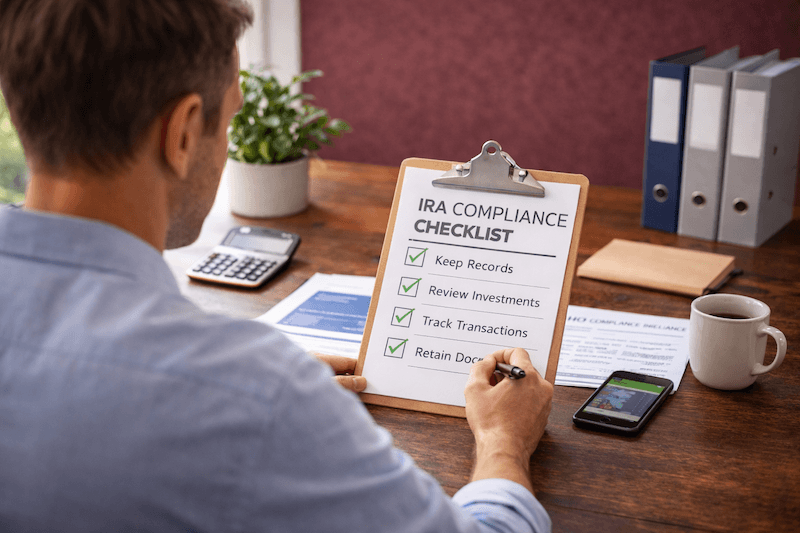
Audit readiness is less about reacting to an audit and more about maintaining a structure that stays organized and consistent over time. A Self-Directed IRA involves more moving parts than a traditional account, so keeping everything clear and documented helps the account operate smoothly under any level of review. Investors who treat their IRA like a formal investment vehicle tend to find that audit readiness becomes part of their normal process.
The foundation of audit readiness starts with documentation. Every transaction inside the IRA should have a clear paper trail that connects logically from funding to execution to ongoing activity. Strong documentation typically includes:
- Purchase agreements and contracts
- Funding confirmations and custodian records
- Bank statements from the IRA or its entity
- Income receipts and expense records
- Supporting documents for any changes or updates
Ownership and titling should remain consistent across all documents. The IRA or its LLC or Trust must be listed correctly in every agreement, account, and investment record. This consistency reinforces the separation between personal assets and retirement assets and supports accurate reporting.
Valuation plays an important role in staying prepared. Retirement accounts require periodic reporting of fair market value, even for private or illiquid assets. Supporting documentation helps establish reasonable valuations over time. Common valuation support may include:
- Appraisals for real estate
- Financial statements for private investments
- Third-party estimates or broker opinions
- Updated statements from fund managers
Cash flow tracking is another key element. All income should flow into the IRA or its entity account, and all expenses should be paid from that same structure. Clear records that align with the underlying transactions help maintain visibility. This typically involves:
- Keeping all funds within the IRA structure
- Matching deposits and expenses to supporting documents
- Maintaining clean and consistent bank records
Separation between the account holder and the IRA assets should be maintained at all times. Communication, decision making, and oversight remain part of managing the account, while funds and assets stay within the retirement structure.
Working with third parties in a structured way also contributes to audit readiness. Contracts with property managers, lenders, or service providers should be documented and maintained as part of the overall record.
Regular internal reviews can strengthen the structure over time. Periodically checking documents, account balances, and investment records helps identify gaps early and keeps everything aligned.
Audit readiness becomes much easier when it is part of the ongoing workflow. Organized records, consistent titling, clear cash flow, and reliable valuations create a structure that can be reviewed at any time with confidence.
Summary
Staying audit-ready with a Self-Directed IRA involves maintaining complete documentation, consistent ownership records, accurate valuations, and clear separation between personal and retirement activities. When these elements are handled carefully and reviewed regularly, the account remains organized, compliant, and prepared for any level of scrutiny.