
Blog

How to Balance Growth Investments and Income Investments Inside One IRA
Growth investments provide long term upside, while income investments support liquidity, reserves, and ongoing stability.

Building a Self-Directed IRA Portfolio That Can Survive Multiple Market Cycles
Building a Self-Directed IRA portfolio that can survive multiple market cycles requires durability, diversification, liquidity, and disciplined decision making.

Celebrating 250 Years of American Independence… and Your Financial Independence
At CheckBook IRA, we believe your retirement account should work for you—not the other way around.

The Case for Simplicity in Long-Term Retirement Planning
Clear strategies, manageable portfolios, and consistent decision making often create stronger outcomes than unnecessary complexity.
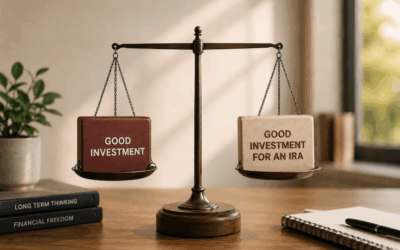
The Difference Between a Good Investment and a Good Investment for an IRA
Retirement accounts introduce considerations such as time horizon, liquidity, portfolio fit, cash flow, and structural simplicity.

Is the World Changing Faster Than You Think?
The most successful investors spend their lives understanding the forces behind the headlines.

How to Avoid Opportunity Bias Inside a Self-Directed IRA
Opportunity bias can cause investors to focus on individual deals without fully considering how those investments fit within the broader retirement strategy.

What Happens After You Close an Investment Inside Your IRA
Maintaining a clean and consistent structure after closing helps support compliance, simplify reporting, and improve long term management of the retirement account.
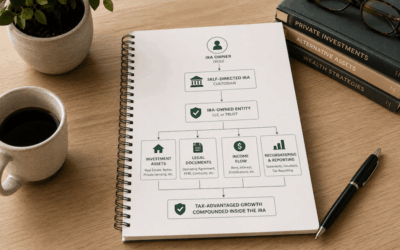
What a Clean IRA Investment Structure Looks Like
A clean IRA investment structure maintains consistent ownership, organized documentation, clear cash flow, and proper separation between personal and retirement activity.

How to Build Predictable Income Inside a Self-Directed IRA
A consistent income strategy can support both long term growth and ongoing financial stability inside the retirement account.

What to Double Check Before Sending Funds From Your IRA
Sending funds from a Self-Directed IRA is the moment where planning turns into execution.

Why Simple Deals Often Perform Better Inside Retirement Accounts
Simple deals often perform better inside retirement accounts because they align with the structure’s need for clear ownership, clean cash flow, and consistent documentation.

How to Stay Audit-Ready With a Self-Directed IRA
Audit readiness is less about reacting to an audit and more about maintaining a structure that stays organized and consistent over time.

Questions to Ask Before Making Any IRA Investment
Asking the right questions before committing funds helps ensure that each investment supports both growth and the integrity of the retirement account.

How to Properly Fund an IRA LLC or Trust Step by Step
When each step is handled carefully, the structure operates smoothly and provides a solid base for managing investments inside a retirement account.
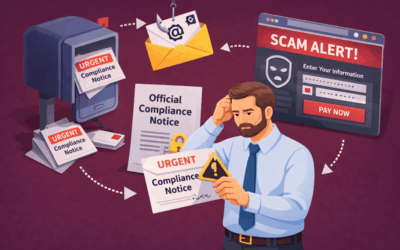
Beware of Compliance Mail Scams
LLC compliance scams are extremely common, especially for newly formed entities. The good news is that they are easy to avoid once you know what to look for.
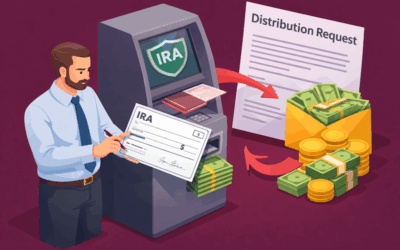
The Proper Way to Take a Distribution from a Checkbook IRA
Invest directly through the LLC or Trust—but process distributions through the custodian so proper IRS reporting occurs.
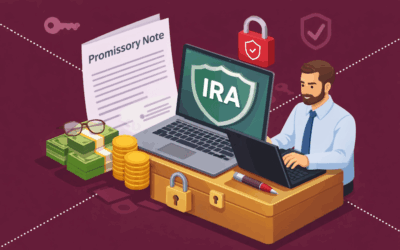
Using Promissory Notes Inside an IRA Safely
Promissory notes produce passive income, maintain clear documentation, and operate within established lending frameworks.

Managing Liquidity Risk Inside a Self-Directed IRA
With careful allocation and ongoing review, investors can maintain stability while pursuing alternative strategies that support retirement growth.

The Importance of Understanding State Reporting Requirements for an LLC Attached to Your CheckBook IRA
Understanding state reporting requirements is foundational to protecting your retirement structure.

How Passive Income Is Treated Inside Retirement Accounts
Understanding how income flows, how leverage affects taxation, and how distributions are treated helps investors use retirement accounts more effectively for long term growth.

Why Titling Matters More Than the Investment Itself
Titling determines who owns the investment, how income is treated, and whether a Self-Directed IRA remains compliant.
Custodian vs CheckBook Control: Real Differences, Fees, and Speed
Checkbook control allows immediate execution and fewer transaction fees but requires a higher level of investor responsibility.

What Investors Misunderstand About UBIT and UDFI Taxes
With proper planning, the right structure, and correct reporting, UBIT and UDFI can be managed without limiting investment options.